

Welcome Message
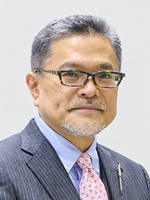
Congress president
Kiyokazu Nakajima, MD, PhD, FACS
Department of Next Generation Endoscopic Intervention (Project ENGINE)
Graduate School of Medicine, The University of Osaka, Osaka, Japan
Department of Gastroenterological Surgery, Graduate School of Medicine, The University of Osaka, Osaka, Japan
Medicine, and surgery in particular, has steadily evolved over time. Today, however, we find ourselves at a clear turning point.
Robotic surgery, telemedicine, artificial intelligence, virtual reality, and other cutting-edge technologies have undoubtedly transformed our daily practice and, in many cases, may have led to better clinical outcomes. The history of surgical progress can be seen as a story of interaction between engineers, who have advanced the application of emerging technologies to medicine, and surgeons, who have embraced these innovations, often almost instinctively.
At the same time, growing concerns have emerged that advanced medical technologies, which are fundamentally intended to improve human health, may have a significant negative impact on the global environment and, ultimately, undermine the very health they are meant to protect. These concerns have led to the emergence of green surgery as a new paradigm. In addition, global surgery, which seeks to address global inequities in access to surgical care, has become an essential consideration in shaping the future of surgery.
Should we continue to pursue technological advancement above all else? Or has the time come to seriously consider the sustainability of medical technologies on a global scale and ensure more equitable access to them? Once again, we stand at a turning point.
SMIT has long sought to bring together diverse stakeholders involved in medical innovation, transcending disciplinary and national boundaries to share new insights and technologies, thereby contributing to further advances in medical technology and accelerating its translation into clinical practice and society.
As we convene for the 38th SMIT meeting this year, we have chosen the theme “Coexistence of Advanced Technology and Technological Sustainability” to express our aspiration to explore the future of medicine through a balanced approach to technological advancement and sustainability.
We look forward to the active participation of colleagues from around the world and to lively, stimulating discussions.
